Some brands are built to sell. Others are built to endure.
The Seraph Foundation was always the second kind — it just didn’t know it yet.
Lorna Byrne had spent decades building something genuinely rare: a spiritual presence, a community, a body of teachings that had touched people across the world. But behind that light, the architecture was fractured. The Sanctuary operated separately from the Children’s Foundation. Lorna’s personal offerings existed in their own orbit. Communications were inconsistent. Audiences were confused. And with Lorna in her 70s, a quiet but urgent question hung over everything:
What happens to the light when the person carrying it is gone?
That’s not a marketing problem. That’s a legacy problem. And it’s the most human kind there is.
Where We Brought Value
• Brand Strategy
• Brand Architecture
• Brand Naming Structures
• Visual Expression
• Website Design and Architecture
• A Brand to Support Succession
The Work
We began where all the best brand work begins — not with aesthetics, but with meaning. What was the thread running through everything Lorna had built? What was the single, soul-centred truth that the Sanctuary, the Foundation, and the teachings all shared?
Once we found it, the strategy became clear: stop operating as fragments and become a movement.
We unified everything under one name that was in use already as a trading name, The Seraph Foundation. A name that carries spiritual weight without dogma. That speaks to light, to interconnection, to something bigger than any one person’s lifetime. A banner wide enough to hold everything that had come before, and everything still to come.
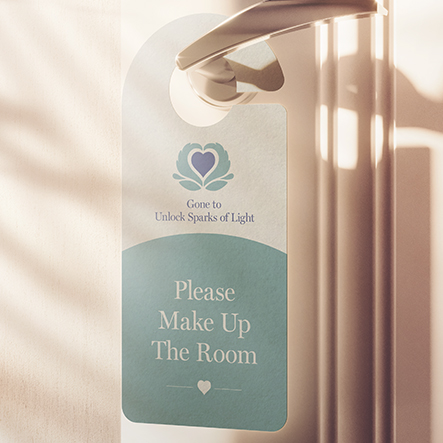
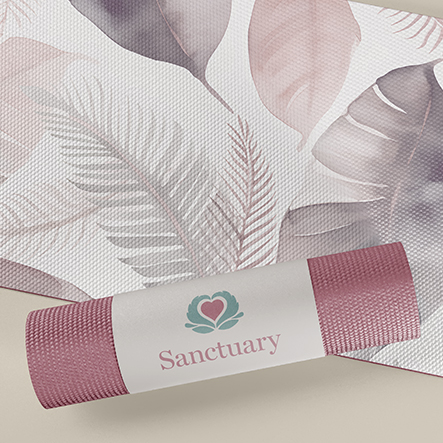
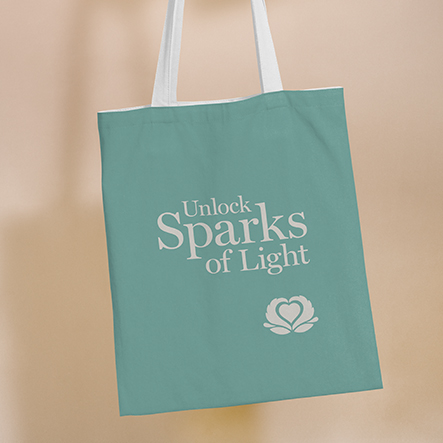
The visual identity followed that same philosophy — rooted in light, love, and quiet interconnection. No fluff. No performative spirituality. Just a brand that feels like it means what it says, because it does.
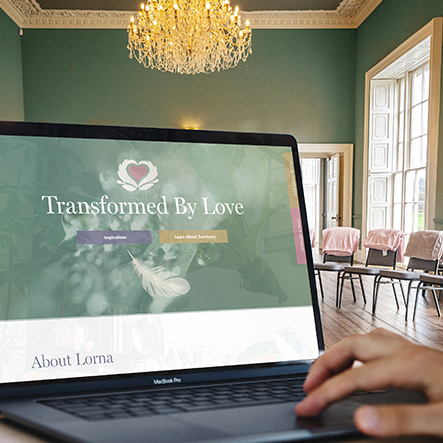
Then came the digital architecture of the website — one of the most complex builds in this body of work. Working closely with the foundation’s marketing manager, the true scale of it became impossible to ignore. She said it plainly, and it said everything: “If you can do this for us, you can do this for anyone.” An international hub designed to serve seekers wherever they are: donations, event bookings, retreats with accommodation at the Sanctuary, book sales, volunteer sign-ups, and genuine spiritual connection, all held within one intuitive, breathing space. A website that doesn’t just inform, it receives people.
But perhaps the most important work was the least visible. We built succession into the brand’s bones. Future teachers, community ambassadors, shared leadership. The foundation was structured so that Lorna’s light could be carried forward by many hands, not extinguished when one person steps back. That’s what it means to design for legacy rather than presence.
The Result
The Seraph Foundation is no longer a founder-led brand held together by one extraordinary woman’s energy. It’s a sustainable movement with one clear identity, one central purpose, and the structural integrity to grow beyond any single lifetime.
Lorna’s work deserved that. Her community deserved that.
The most profound thing a brand can do is make space for what comes next — to hold the past with reverence, and the future with open arms.
That’s what legacy looks like when it’s built with intention.